Just How Aluminum Foundry Adds To Advancements in Aerospace Engineering
Aluminum foundries are indispensable to innovations in aerospace engineering. They produce light-weight, high-strength parts that are important for contemporary aircraft. With innovative spreading strategies, these shops produce intricate geometries that boost structural honesty. In addition, the growth of exceptional Aluminum alloys sustains the sector's concentrate on gas effectiveness and sustainability. Obstacles stay in the manufacturing process. Recognizing these factors reveals the profound influence of Aluminum on aeronautics's future.
The Significance of Lightweight Products in Aerospace Layout
As the aerospace market remains to develop, the importance of lightweight materials ends up being increasingly evident. The need for effectiveness and sustainability drives designers to focus on the use of products that lower total weight without jeopardizing structural integrity. Lightweight products, specifically Aluminum, play an essential function in enhancing fuel performance, improving haul capacity, and increasing the overall efficiency of aircraft.
The combination of these materials allows for ingenious layouts, making it possible for producers to create even more wind resistant forms that can hold up against severe problems. The reduction in weight not just lowers functional prices yet also adds to a lowered ecological impact, straightening with international efforts toward sustainability in air travel.
Advanced Spreading Techniques in Aluminum Foundries
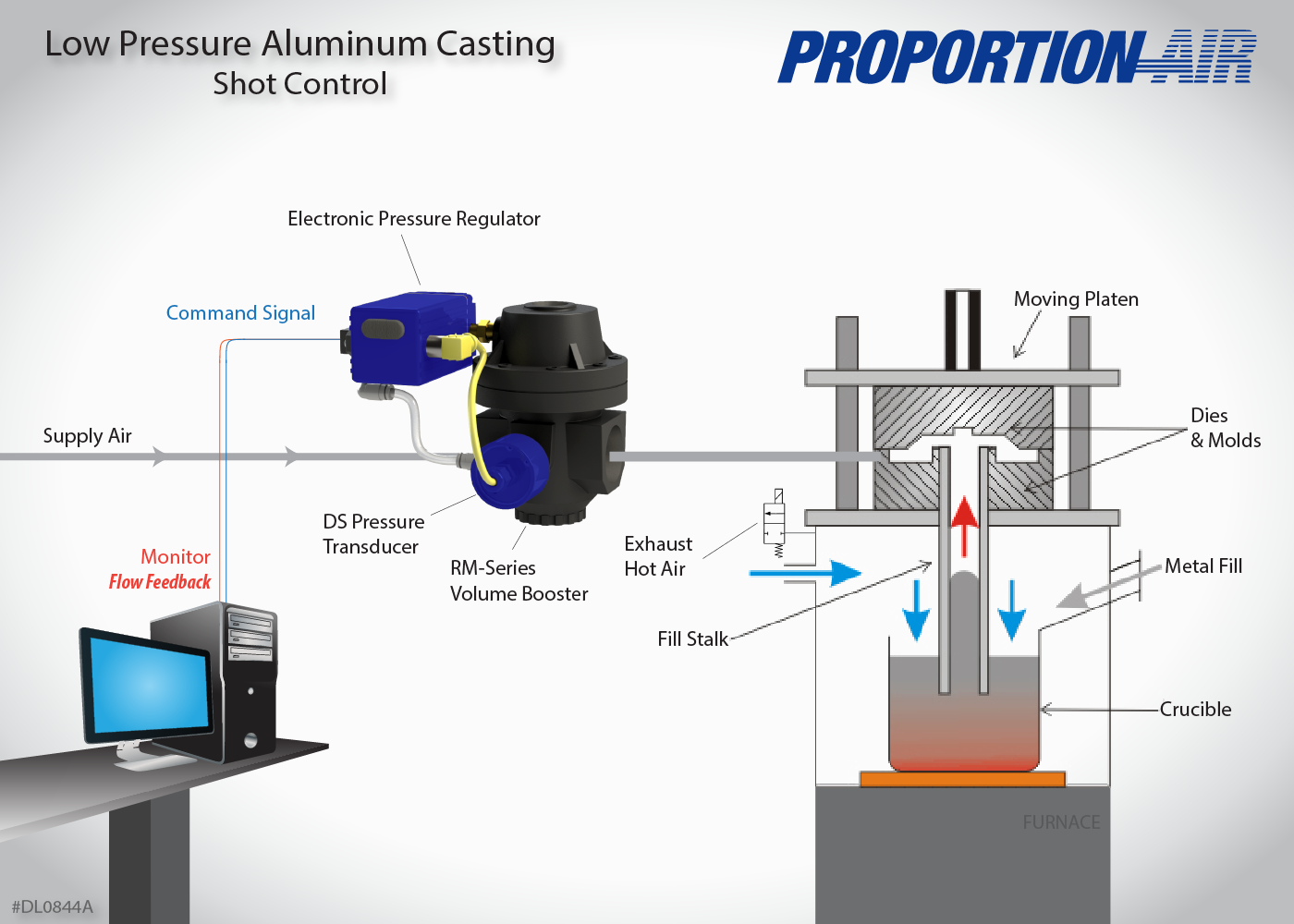
Advanced casting methods in Aluminum factories play a critical duty in aerospace engineering by allowing the manufacturing of light-weight and accurate parts. Technologies in mold and mildew layout and precision spreading procedures are necessary in attaining excellent performance and architectural stability. Additionally, the development of lightweight alloys improves the general efficiency and efficiency of aerospace applications.
Ingenious Mold And Mildew Style
Innovative mold style plays a crucial function in the performance and effectiveness of Aluminum factories, particularly within the aerospace industry. By leveraging sophisticated products and methods, modern mold and mildews can be crafted to stand up to high temperatures and stress, making sure peak performance during the spreading procedure. These styles frequently integrate complicated geometries that permit the production of lightweight yet structurally audio elements, essential for aerospace applications. Additionally, the usage of computer-aided style (CAD) software application facilitates specific modeling, making it possible for shops to improve and simulate mold and mildew layouts before physical production begins. This not only boosts the high quality of cast components but likewise minimizes waste and lead times, causing significant price financial savings. On the whole, ingenious mold and mildew design is a keystone of development in Aluminum Foundry technology for aerospace engineering.
Precision Casting Procedures
The efficiency of innovative mold and mildew designs perfectly incorporates with accuracy spreading procedures, which are important for creating high-quality Aluminum parts in aerospace engineering. These processes, consisting of sand spreading, pass away casting, and financial investment casting, assure the creation of intricate geometries with limited resistances. Advanced techniques like vacuum spreading and stress pass away casting improve the integrity and surface area finish of the end products. Precision spreading reduces product waste while maximizing the mechanical homes of Aluminum, critical for aerospace applications. Furthermore, using real-time tracking and progressed simulation devices throughout the casting procedure permits for immediate modifications, resulting in enhanced quality assurance. Jointly, these precision spreading procedures setting Aluminum shops at the forefront of aerospace technology, sustaining the industry's demand for integrity and performance.
Light-weight Alloy Development
As aerospace engineers look for to boost fuel performance and efficiency, light-weight alloy advancement comes to be an important emphasis in Aluminum shops. These factories employ advanced casting methods to create alloys that supply exceptional strength-to-weight ratios. Developments in alloy composition, consisting of the consolidation of aspects like lithium and magnesium, make it possible for the manufacturing of products that withstand severe problems while decreasing total airplane weight. Strategies such as die spreading and investment casting facilitate the precision production of complicated forms, which are important for aerospace applications. Additionally, continuous study aims to optimize these alloys for improved mechanical properties and increased resilience. By focusing on lightweight alloy growth, Aluminum shops greatly add to the development of aerospace design, paving the means for a lot more efficient and lasting aircraft styles.

Enhancing Structural Integrity Via Aluminum Components
Aluminum components supply significant advantages in boosting structural stability within aerospace design. Their lightweight nature adds to total effectiveness while maintaining toughness, which is vital for aircraft efficiency. Additionally, the stress resistance buildings of Aluminum assistance guarantee the durability and reliability of aerospace frameworks under various functional conditions.
Lightweight Product Advantages
While standard materials frequently compromise weight for toughness, utilizing Aluminum elements in aerospace engineering offers significant advantages in architectural honesty. Aluminum's lightweight nature adds to total style effectiveness, enabling for even more streamlined airplane that consume less fuel, consequently improving sustainability. The material's excellent strength-to-weight proportion guarantees that components preserve durability without adding unneeded mass. This high quality cultivates boosted efficiency and agility in flight, in addition to enhanced haul capabilities. Furthermore, Aluminum's resistance to rust prolongs the life-span of aerospace structures, minimizing maintenance costs and boosting safety. As producers significantly adopt Aluminum alloys, the aerospace industry experiences a transformative change towards a lot more effective and effective design solutions that focus on both efficiency and ecological obligation.
Tension Resistance Qualities
Although numerous products possess special properties, Aluminum's outstanding stress resistance sticks out as a crucial element in enhancing the structural honesty of aerospace elements. This resistance plays a critical duty in ensuring that airplane can hold up against different operational stresses, including fatigue, impact, and ecological conditions. Aluminum alloys, specifically engineered for aerospace applications, display high tensile strength while preserving light-weight features, allowing designers to develop a lot more efficient frameworks - Aluminum Foundry. Furthermore, the ability of Aluminum to withstand cyclic loading without significant deformation adds to the durability and dependability of aerospace components. As innovations proceed in Aluminum Foundry techniques, the development of stress-resistant Aluminum components assures further improvements in performance, safety, and performance throughout the aerospace sector, solidifying Aluminum's function as a recommended material in contemporary engineering
Fuel Performance Improvements Driven by Aluminum Innovations
As the aerospace sector looks for to enhance gas efficiency, ingenious usages of Aluminum have actually emerged as a vital solution. Aluminum's light-weight nature significantly reduces airplane weight, enabling for reduced fuel consumption throughout trip. This reduction in weight is vital, as even little declines can result in substantial improvements in general gas economic situation.
Advanced Aluminum alloys, developed for boosted stamina and longevity, enable manufacturers to produce components that keep structural stability while reducing mass - Aluminum Foundry. Additionally, the integration of Aluminum in airframes and engine elements facilitates improved aerodynamics, adding to lowered drag and boosted performance
The adoption of Aluminum in aerospace not just fulfills the need for fuel-efficient layout yet additionally lines up with regulative stress for reduced emissions. As these technologies remain to evolve, they play a significant duty in setting brand-new benchmarks for gas effectiveness, guaranteeing that the aerospace market can fulfill growing economic and environmental obstacles.

The Duty of Aluminum in Sustainable Aeronautics Practices
The boosting emphasis on lasting air travel practices has positioned Aluminum as an essential material in the quest for greener airplane layout. Recognized for its lightweight residential properties, Aluminum significantly minimizes airplane weight, resulting in reduced gas consumption and discharges. Its recyclability additionally boosts its sustainability account, as Aluminum can be recycled forever without loss of quality. This particular sustains a round economic climate within the aviation industry, lessening waste and resource depletion.
Additionally, improvements in Aluminum alloys have actually enhanced their toughness and deterioration resistance, permitting longer life span and minimized maintenance requirements. These advancements promote the growth of extra effective aircraft frameworks, adding to overall sustainability efforts. Furthermore, Aluminum's thermal conductivity plays a crucial function in energy-efficient styles, improving systems such as warmth exchangers. Jointly, these features emphasize Aluminum's essential role ahead of time sustainable air travel, aligning with worldwide campaigns intended at decreasing the ecological influence of flight.
Challenges Dealt With by Aluminum Foundries in Aerospace Manufacturing
While Aluminum foundries play an important function in aerospace manufacturing, they encounter considerable obstacles that can affect manufacturing effectiveness and quality. One major challenge is the rigid quality assurance criteria needed in the aerospace sector. Any defect can compromise safety and security and efficiency, demanding strenuous examination processes that prolong manufacturing timelines. Additionally, foundries usually compete with rising and fall resources costs, which can influence pricing and profitability. The complexity of Aluminum alloys made use of in aerospace applications further complicates the production process, as precise formulas are important for attaining preferred mechanical residential or commercial properties. Competent labor shortages impede the ability to maintain top notch production levels. Lastly, ecological guidelines enforce constraints on discharges and waste management, requiring shops to spend in sustainable practices, which can be cost-prohibitive. These factors collectively produce a landscape where Aluminum foundries should constantly adjust to satisfy the evolving needs of aerospace manufacturing while making certain safety and compliance.
Future Patterns in Aluminum Applications for Aerospace Design
With innovations in innovation and boosting needs for performance, the future of Aluminum applications in aerospace engineering is poised for significant makeover. The integration of cutting-edge Aluminum alloys and compounds is expected to boost strength-to-weight ratios, causing even more fuel-efficient aircraft layouts. Furthermore, advancements in additive production techniques will permit the production of intricate Aluminum structures that were formerly difficult, optimizing efficiency and reducing waste.
Lasting methods will play a vital duty, with a growing focus on recycling Aluminum to reduce environmental visit the site effect. The aerospace field is most likely to embrace smarter manufacturing procedures, such as automation and expert system, making certain greater high quality and precision in Aluminum elements. Partnerships between Aluminum shops and aerospace firms will certainly foster study and growth, leading the method for new applications that fulfill the rigorous demands of modern aerospace design. In general, the future looks promising for Aluminum's role fit the skies
Frequently Asked Questions
What Are the Ecological Effects of Aluminum Manufacturing in Aerospace?
The ecological influences of Aluminum production in aerospace consist of considerable energy usage, greenhouse gas emissions, and habitat disruption. In addition, mining processes can cause dirt deterioration and water contamination, raising issues about sustainability and environmental equilibrium.
Just How Does Aluminum Compare to Various Other Materials in Aerospace Applications?
Aluminum offers a distinct mix of lightweight properties, rust resistance, and cost-effectiveness contrasted to various other materials. Its high strength-to-weight proportion makes it particularly advantageous for aerospace applications, boosting gas effectiveness and total performance in aircraft style.
What Certifications Do Aluminum Foundry Workers Need for Aerospace Projects?
Aluminum Foundry workers need customized training in metallurgy and spreading methods, in addition to expertise of aerospace industry standards. Qualifications in quality assurance and safety and security methods important link are also essential to ensure compliance with rigorous aerospace job demands.
Exist Any Safety And Security Worry About Using Aluminum in Aerospace Engineering?
Safety problems pertaining to Aluminum in aerospace engineering include susceptibility to deterioration, fatigue, and stress and anxiety cracks. Appropriate treatment and alloy choice are important to reduce these threats, guaranteeing architectural honesty and overall safety in aerospace applications.
Exactly How Does Aluminum Recycling Advantage the Aerospace Sector?
Aluminum recycling significantly profits the aerospace sector by minimizing product costs, lessening ecological effect, and saving power. This lasting technique improves the sector's performance while advertising the usage of lightweight, high-performance parts in aircraft manufacturing.
Advanced casting strategies in Aluminum shops play an essential role in aerospace engineering by allowing the production of accurate and light-weight parts. Ingenious mold and mildew style plays an important duty in the effectiveness and performance of Aluminum shops, especially within the aerospace market. As aerospace engineers look for to enhance gas effectiveness and efficiency, lightweight alloy growth becomes a vital Read Full Report focus in Aluminum factories. Aluminum alloys, specifically crafted for aerospace applications, show high tensile strength while keeping lightweight qualities, allowing designers to make much more effective frameworks. Cooperations between Aluminum foundries and aerospace firms will certainly foster research and growth, leading the method for new applications that fulfill the rigid needs of contemporary aerospace design.